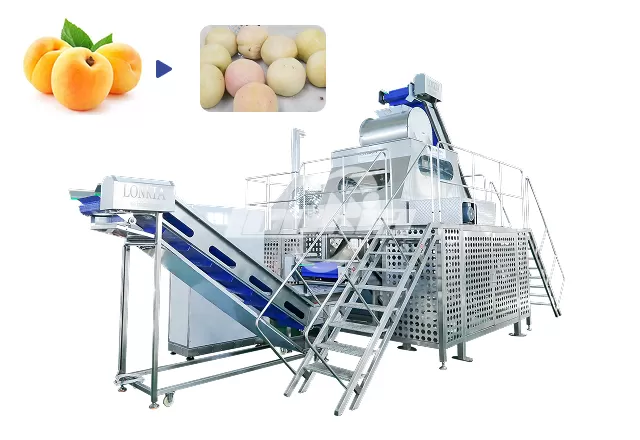
As demand for banana processing continues to grow, an increasing number of food processing companies are focusing on peeling efficiency and labor costs. Although traditional manual peeling methods are simple to operate, they no longer meet modern banana processing requirements in terms of continuous production, processing stability, and pulp integrity. Particularly in the fields of fresh-cut bananas, frozen bananas, and value-added banana processing, stable, high-efficiency banana peeling machine is gradually becoming an essential component of production lines.
What Challenges Does Manual Banana Peeling Face?
In traditional processing, bananas are typically peeled by hand. This method presents several significant issues in actual production:
- Peeling speed is inconsistent, making it difficult to ensure a continuous feed
- Workers are prone to fatigue during prolonged operations
- Fruit pulp is easily damaged due to squeezing or inconsistent handling
- Peeling results vary significantly among different workers
- Labor shortages often occur during peak order periods
For companies needing to process large volumes of bananas in a short timeframe, manual methods often disrupt the overall production rhythm.
How Banana Peeling Machines Reduce Reliance on Manual Labor?
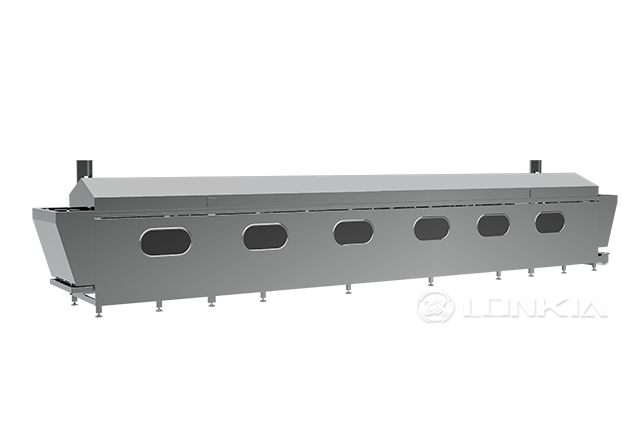
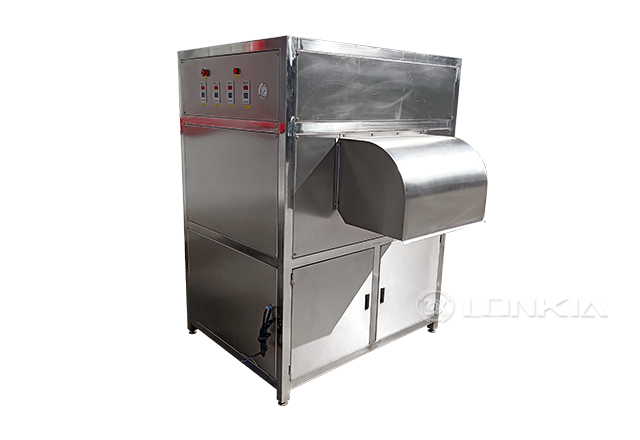
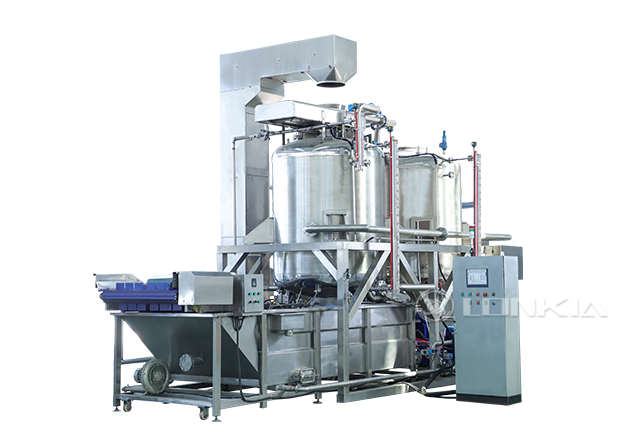
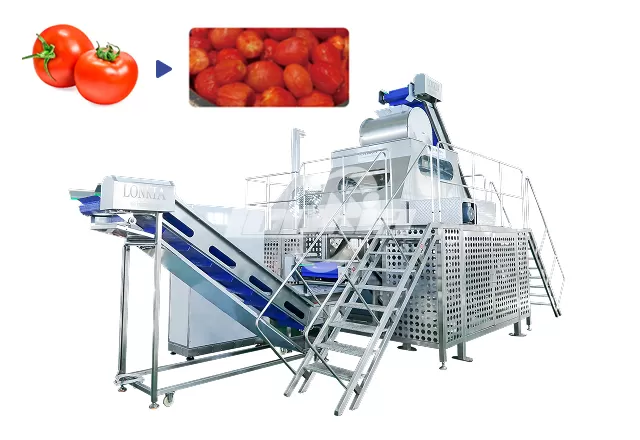
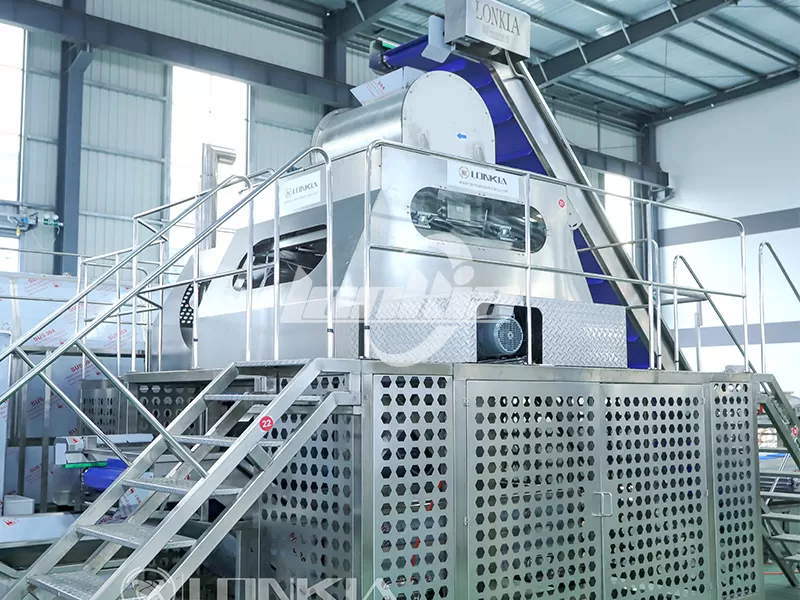
Modern banana peeling machines typically employ continuous conveyor systems and steam peeling mechanisms. They automate the process of softening and removing the banana peel, thereby reducing the need for manual intervention.
Compared to manual operations, the banana peeling equipment can operate continuously and stably, reducing frequent stoppages. Operators are primarily responsible for loading and monitoring the equipment, significantly lowering the number of workers required.
At the same time, the steam peeling method ensures uniform softening of the banana skin, minimizing pulp damage during the subsequent peeling process and better preserving the integrity of the fruit. This is particularly important for banana products intended for packaging, sales, or further processing.
Why More and More Factories Are Choosing Steam Banana Peeling Machines?
The advantages of steam peeling technology in banana processing are primarily reflected in pulp protection and production stability.
During traditional knife-peeling or manual peeling processes, the banana flesh is prone to indentations, breaks, or surface damage. In contrast, steam banana peelers use brief steam treatment to create a natural separation between the peel and the flesh. Combined with a spray and conveyor system to complete the peeling process, this effectively reduces waste.
Additionally, continuous-feed equipment is better suited for extended production runs. For businesses requiring continuous packaging, freezing, or distribution, a stable output rate helps ensure smooth operation in subsequent processes.
How Does a Banana Peeling Machine Benefit Fruit Quality?
When purchasing a banana skin peeling machine, many customers' primary concern is whether the bananas will retain good quality after peeling.
High-quality banana peeling machines typically prioritize the following aspects:
- Smooth conveying to minimize banana impact
- Adjustable steaming time to prevent over-softening
- Stainless steel construction for easy cleaning and maintenance
- Continuous output to reduce damage caused by manual handling
These designs help businesses maximize efficiency while preserving the appearance and integrity of the banana flesh as much as possible.
How to Choose the Right Banana Peeling Equipment?
When selecting a banana peeling machine, customers are advised to focus on the following key factors:
- Actual hourly processing capacity
- Flesh integrity rate after peeling
- Suitability for continuous production
- Stability of the steam system
- Ease of cleaning and maintenance
- Compatibility with existing production lines
Different banana processing products have varying equipment requirements. For example, fresh-cut bananas, frozen bananas, and banana chip production all have distinct requirements regarding pulp condition and conveying methods.
As a brand with extensive experience in food processing equipment manufacturing, Lonkia can provide tailored banana peeling equipment and production line solutions to meet diverse banana processing needs, helping customers improve processing efficiency and reduce reliance on manual labor.
Conclusion
As the banana processing industry continues to demand higher levels of efficiency and quality, traditional manual peeling methods are no longer sufficient to meet the needs of stable production. Adopting continuous banana peeling machines not only reduces labor costs but also improves peeling consistency and ensures stable banana quality.
For banana processing companies requiring long-term, stable production, selecting the right banana peeling machine has become a critical step in enhancing production efficiency.