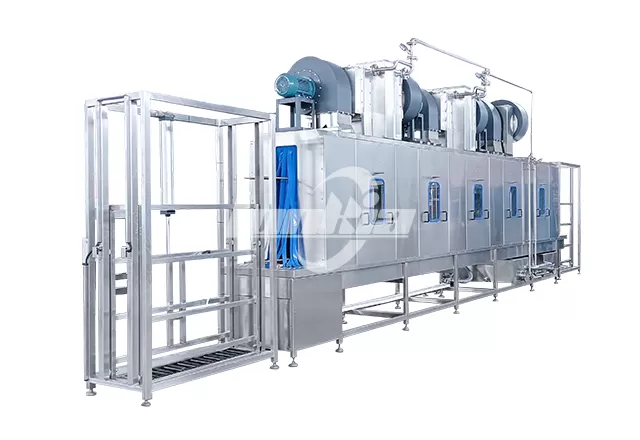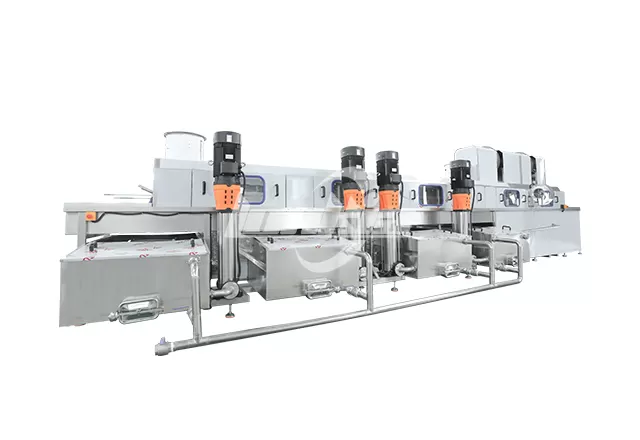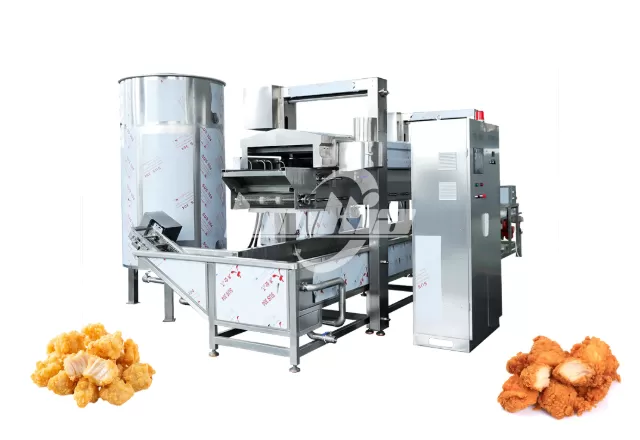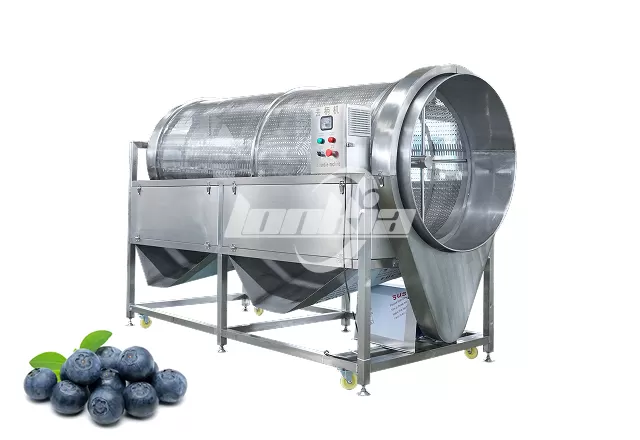
In the fruit and vegetable processing industry, the washing stage directly impacts product quality and the effectiveness of subsequent processes. Standard equipment often fails to fully accommodate the diverse raw materials and production requirements, making customized fruit and vegetable washing machines the preferred choice for an increasing number of customers.
Why Customized Fruit and Vegetable Washer Machines Are Needed?
Different customers face distinct core challenges in actual production, such as:
- Incomplete cleaning, affecting product appearance
- Damage to fragile produce
- Poor integration with production lines
- Low equipment utilization
Customized fruit and vegetable washing machines can optimize structural design based on specific operating conditions, addressing these issues at their source. Appropriate customization not only enhances cleaning effectiveness but also improves the overall efficiency of the fruit vegetable processing line.
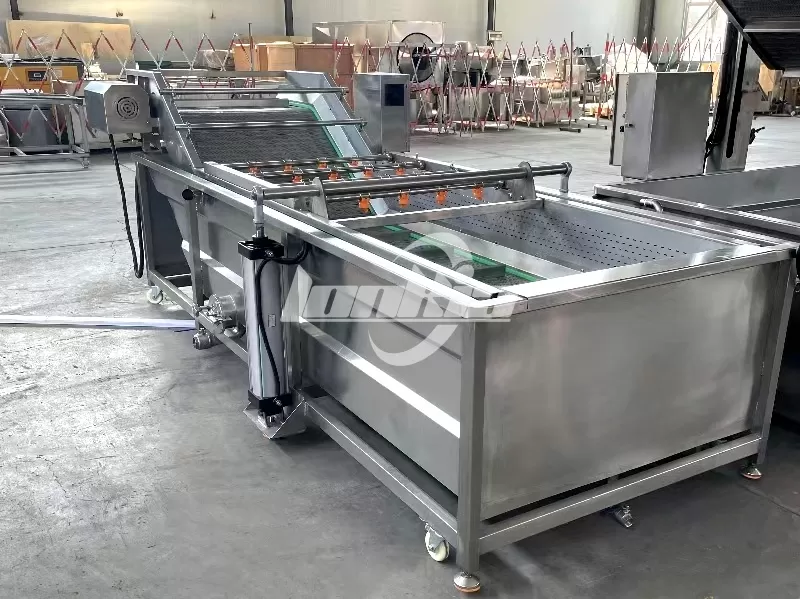
The Core of Customization: Matching Cleaning Methods to Produce Types
Different fruits and vegetables have significantly varying requirements for cleaning methods. Current mainstream equipment employs a combination of bubble agitation and high-pressure spraying, using bubble movement to simulate manual washing while utilizing spraying for secondary rinsing.
During the customization process, the following should be prioritized:
1. Fragile Fruits and Vegetables
Such as leafy greens and strawberries
→ Requires reduced bubble intensity to prevent damage
2. Root and Tuber Crops
Such as potatoes and carrots
→ Require enhanced agitation and flushing capabilities
3. Produce with Complex Surface Structures
Such as broccoli
→ Require improved water coverage and penetration
Only through targeted design can we truly achieve thorough cleaning without damaging the produce.
Structural Customization: Determining Equipment Adaptability
Fruit and vegetable washing machines do not have a single fixed structure; their core modules can be flexibly adjusted according to requirements:
- Washing tank length and width: Customized based on output and produce size to prevent accumulation or uneven cleaning
- Mesh belt conveyor system: Adjustable speed for stable conveyance and rhythm synchronization
- Spray system layout: Multi-angle spray design enhances cleaning coverage
- Impurity Separation Structure: Separates mud and sand via overflow ports and filtration systems, improving water recycling efficiency
These structural details directly impact the fruit vegetable washer machine's actual performance.
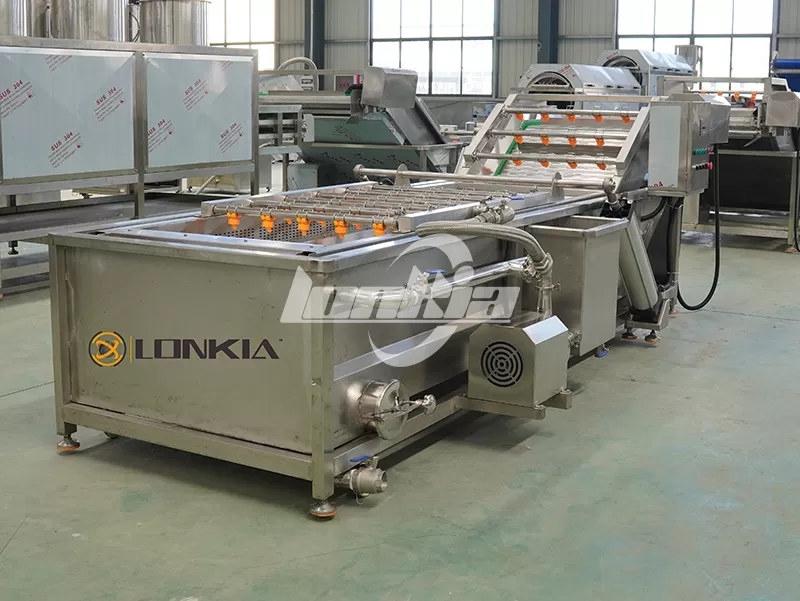
Functional Customization: Addressing Customers' Real Pain Points
Beyond basic cleaning, customers typically prioritize additional features:
- Adjustable cleaning intensity: Supports switching between different products, improving equipment utilization
- Multi-stage washing design: Suitable for high-standard cleaning requirements
- Sterilization or addition of cleaning agents: Enhances food safety standards
- Integration with production lines: Enables seamless automatic feeding, sorting, and cutting
At Lonkia, we typically conduct integrated design based on the client's overall production line layout, ensuring the equipment is not only functional but also user-friendly.
How to Develop an Appropriate Customization Plan?
When customizing a fruit and vegetable washer machine, clients should prioritize providing the following information:
- Types of produce to be washed (leafy greens/root vegetables/fruits)
- Expected processing capacity
- Washing standards (whether thorough washing is required)
- Current production line configuration
- Factory floor layout
The clearer this information is, the better the equipment will match your needs.
The Practical Value of Customized Equipment
Compared to off-the-shelf equipment, customized washing machines deliver more direct benefits:
- More consistent washing results
- Reduced produce waste
- Improved production continuity
- Less manual intervention
In the long term, this represents not only an equipment upgrade but also an optimization of production efficiency.
Conclusion
Customizing a fruit and vegetable washer machine is not merely a matter of adjusting dimensions; it involves systematic optimization based on produce characteristics, production processes, and customer requirements.
Selecting the appropriate customization solution allows the fruit vegetable cleaning equipment to seamlessly integrate into the production line, thereby improving overall operational efficiency. For processing companies seeking stable output and quality control, this is a critical area worthy of investment.