In the vegetable processing industry, business growth rarely happens all at once; instead, companies typically expand their production capacity and product lines gradually as orders increase and customer profiles change. As a result, the scalability of vegetable processing lines has become one of the top concerns for many established customers during the procurement process. A good system not only meets current production needs but also allows for continued use as the business grows in the future, without the need to completely overhaul the entire setup.
Why Is Scalability More Important Than the Initial Price?
Many factories initially focus only on equipment prices, but after 1–2 years of actual operation, they encounter the following challenges:
- Increased orders but insufficient production capacity
- A wider variety of products (e.g., salads, cut vegetables, pre-packaged vegetables)
- Higher customer standards requiring additional washing or dehydration steps
If the equipment cannot be expanded, the only option is to repurchase the entire production line, which is extremely costly.
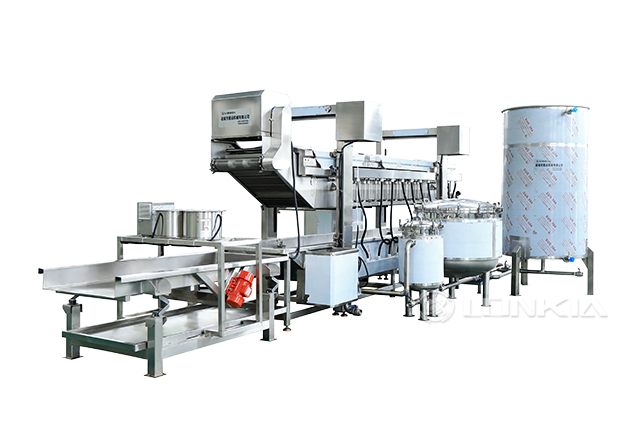
LONKIA's vegetable processing line features a modular design, allowing businesses to upgrade gradually based on their existing setup rather than investing in full production capacity all at once.
How Modular Design Enables Capacity Upgrades?
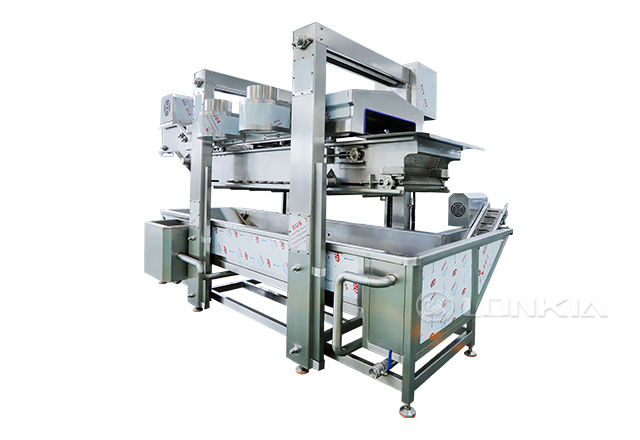
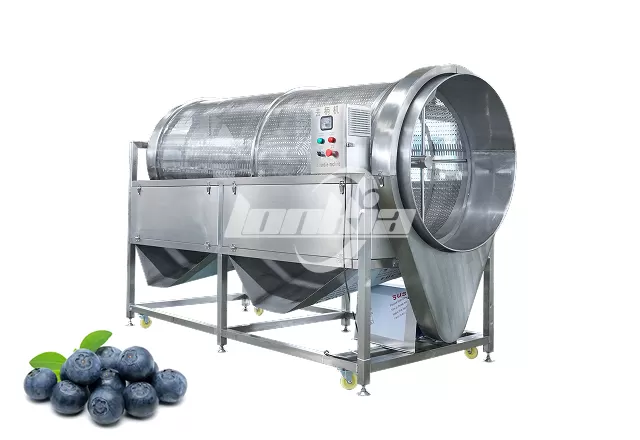
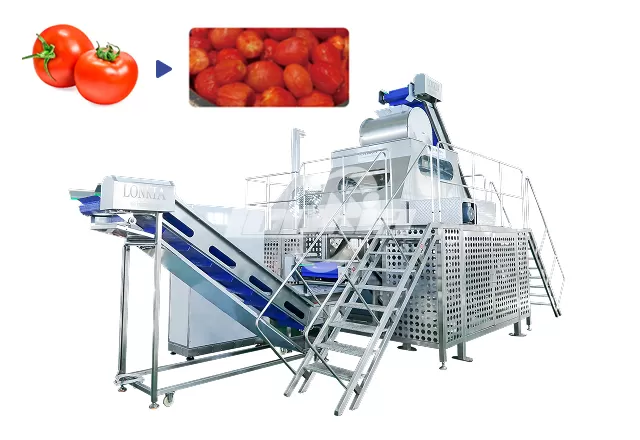
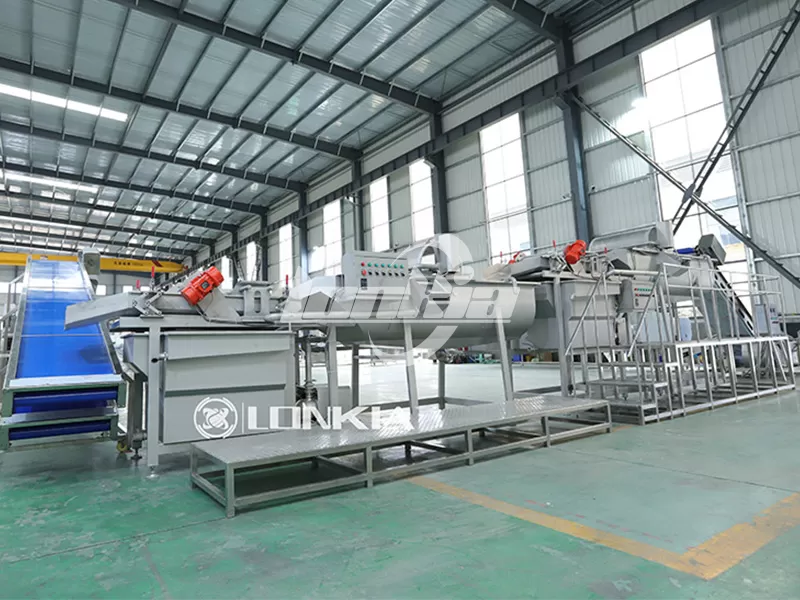
Modern fruit and vegetable processing lines typically consist of several independent modules, such as:
- Pre-sorting and conveying systems
- Washing systems (bubble/vortex washing)
- Cutting systems (slicing, shredding, dicing)
- Dehydration and drying systems
- Portioning or mixing systems
- Packaging system
As your business grows, you don't need to replace the entire line; instead, you can:
- Add a conveyor section to increase processing throughput
- Upgrade the washing module to improve cleanliness
- Install an automatic weighing or packaging system
- Increase the processing capacity of a specific section
This phased upgrade approach maximizes equipment utilization.
How to Plan for Future Expansion?
When designing a vegetable processing line, it is typically necessary to consider three phases:
1. Current Capacity Satisfaction Phase
Focus on stable orders and ensure basic washing, cutting, and packaging capabilities.
2. Incremental Expansion Phase
As orders grow, upgrade only key modules, such as:
- Washing capacity
- Cutting efficiency
- Dehydration speed
3. Full Automation Upgrade Phase
Introduce automated batching and packaging systems when labor costs rise or production volume stabilizes.
This phased expansion avoids excessive one-time investment and reduces risk.
Factory Layout Planning Determines Future Upgrade Costs
Many customers overlook a critical issue: whether the layout allows for future upgrades.
When designing a fruit and vegetable processing line, the following must be considered in advance:
- Can the conveyor direction be extended?
- Are interfaces reserved between equipment?
- Do water, electricity, and drainage systems support future expansion?
- Is sufficient space reserved for equipment installation?
With proper initial planning, future expansions require virtually no production downtime for retrofitting.
Equipment Stability Determines the Smoothness of Expansion
Expansion is not just about adding equipment; system stability is even more critical.
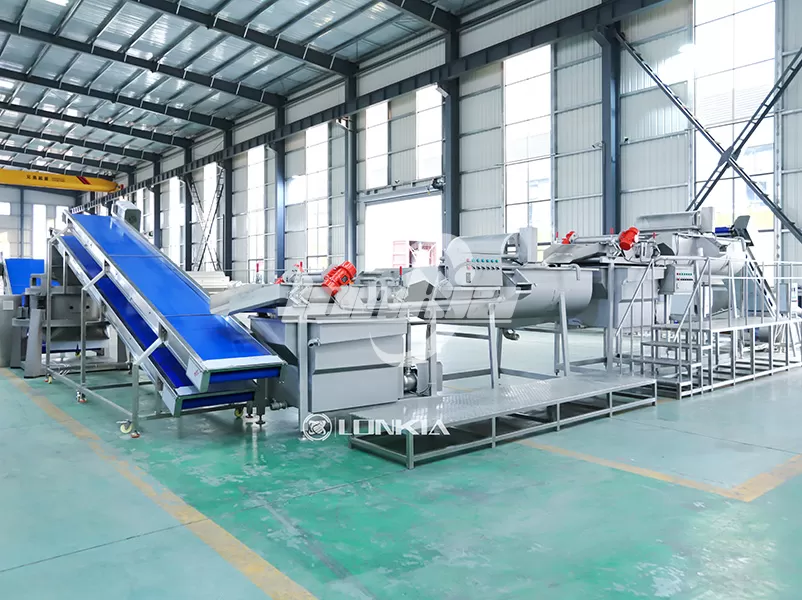
High-quality vegetable processing lines typically feature:
- SUS304 stainless steel construction, suitable for long-term operation
- Standardized interface design, facilitating module integration
- A centralized PLC control system that supports the integration of new equipment
- Low-maintenance structural design to minimize downtime
These design elements ensure the system continues to operate stably during expansion.
The Practical Advantages of LONKIA's Modular Solutions
In practical applications, LONKIA's salad production lines emphasize "scalable design," helping customers achieve a smooth transition from basic processing to fully automated production.
Customers can gradually upgrade their systems in line with business growth without interrupting production or reinvesting in an entirely new line.
Conclusion
For growing food processing enterprises, purchasing a vegetable processing line is not merely an equipment acquisition but a long-term production capacity plan.
Choosing a system with modular scalability enables enterprises to remain flexible and competitive in the face of future market changes, achieving true "sustainable growth through investment."
LONKIA is committed to providing customers with scalable, upgradeable vegetable processing solutions that adapt to different stages of development, helping enterprises steadily expand their production capacity in an ever-growing market.