Carrots are widely used in the processing of frozen vegetables, canned goods, fruit and vegetable juices, prepared foods, and fresh-cut vegetables. Thoroughly washing the raw material before it undergoes processes such as peeling, slicing, and dicing is a critical step in ensuring the quality of subsequent processing. For food processing companies, how to wash carrots, remove root residue, and other impurities from the surface of carrots while avoiding damage to the raw material is a key consideration when selecting washing equipment.
Industrial carrot washing typically employs bubble washing or brush roller washing. These two methods operate on different principles and should be selected based on the condition of the raw material, cleaning requirements, and subsequent processing steps.
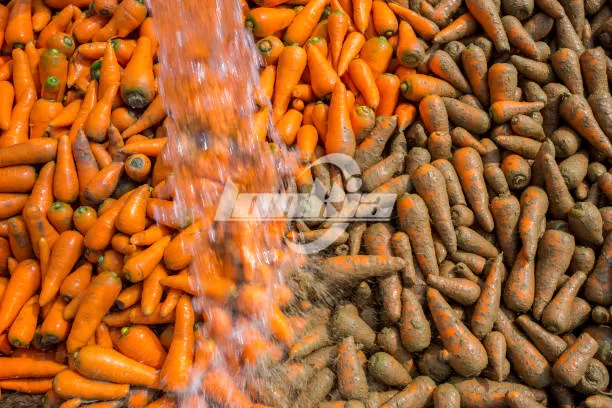
Why do Carrots Need to Be Thoroughly Washed Before Processing?
Since carrots grow in soil, their surfaces are prone to accumulating impurities such as dirt, sand, and root hairs after harvest. If not washed thoroughly, these impurities may enter peeling and cutting equipment, affecting the quality of subsequent processing and increasing the workload for equipment cleaning and maintenance.
Therefore, the appropriate carrot cleaning method should be selected based on the condition of the raw material, with a focus on the following aspects:
- Removing surface soil: Clear soil and impurities adhering to the surface and crevices of the carrots.
- Preserving the integrity of the raw material: Avoid damage to the skin and breakage caused by excessive friction or impact.
- Meeting subsequent processing requirements: Provide clean raw material for processes such as peeling, slicing, and dicing.
- Ensuring cleaning consistency: Minimize variations caused by manual operations to ensure that carrots entering the next process stage have a consistent level of cleanliness.
Two Industrial Cleaning Methods for Carrots Before Processing
1. Bubble Washing: Suitable for Pre-washing Where the Primary Goal is to Remove Soil
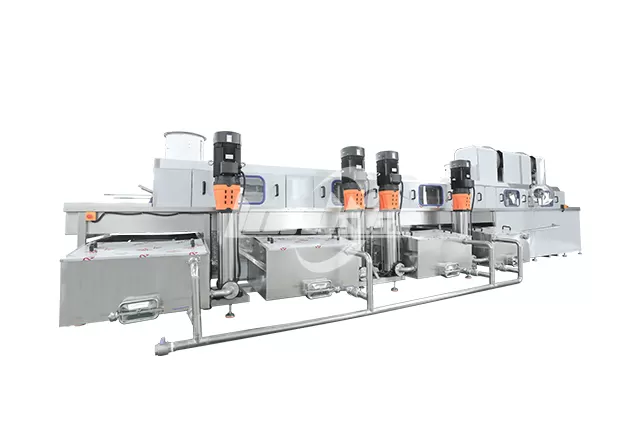
Bubble washing machines utilize the agitation created by water flow and bubbles to ensure that carrots come into full contact with the water stream inside the washing tank, thereby removing surface soil and impurities.
The carrot washer achieves continuous cleaning through the coordinated operation of a bubble generation system, a conveyor belt, and a spray system. Operators can also adjust the cleaning intensity and conveyor speed based on the degree of contamination on the carrots.
This method is suitable for processing scenarios where the carrot skin needs to be retained, such as fresh-cut vegetables, vegetable juices, and other products requiring further cutting.
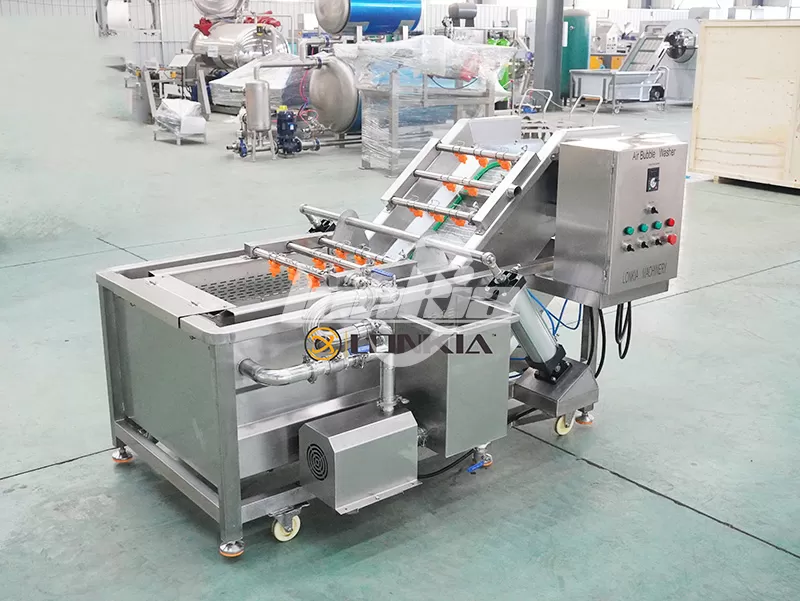
2. Brush Roller Washing: Balancing Cleaning and Peeling Requirements
Brush roller washers clean the surface of carrots through the rotation of brush rollers and continuous spraying. The brush roller configuration should be selected based on the actual processing objectives:
- Soft-bristle brushes: Primarily used to remove soil and adhering impurities from the carrot surface; suitable for processing where cleaning is the primary objective.
- Hard-bristle brushes: Remove the skin through friction between the brush rollers and the produce; suitable for processing steps requiring further peeling.
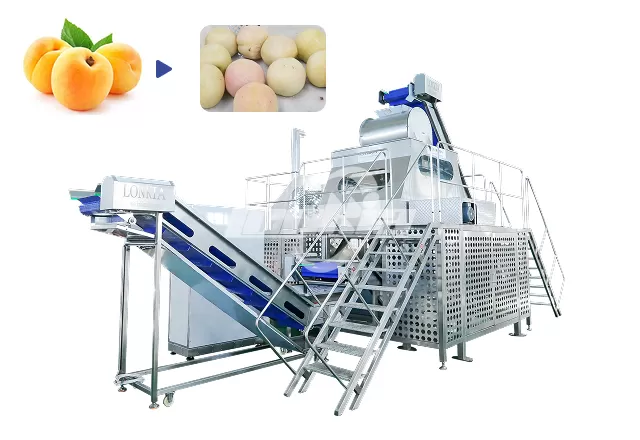
The LONKIA brush roller washer and Peeler features a U-shaped design that allows the produce to circulate within the machine, extending the contact time between the carrots and the brush rollers. Combined with a continuous spray system, it enables both washing and peeling to be completed within a single machine, reducing the number of process steps.
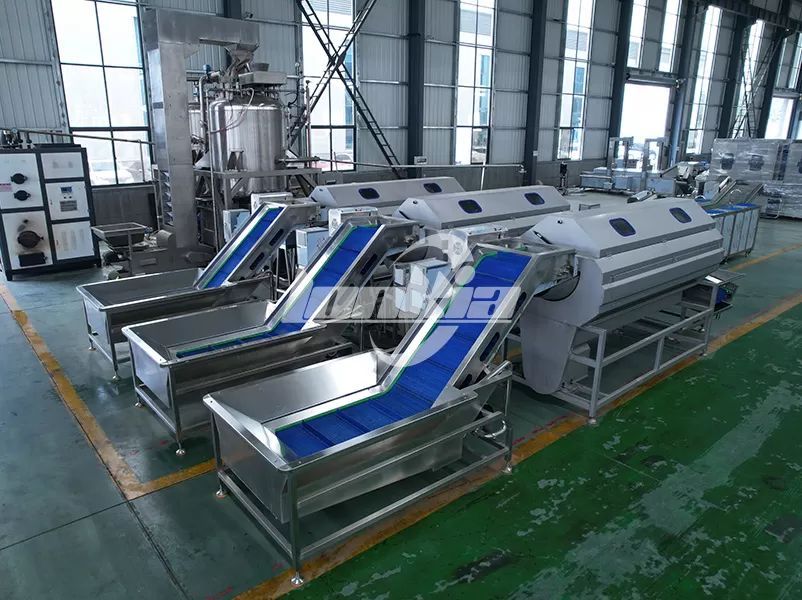
How to Choose the Right Carrot Washing Equipment?
Equipment selection primarily depends on the final use of the carrots:
| Processing Requirements | Recommended Cleaning Method |
Remove soil while retaining the skin | Bubble washing |
Clean surface impurities; no peeling required | Soft-bristle brush washing |
Peeling required after cleaning | Hard-bristle brush washing and peeling |
If the carrots have a significant amount of soil adhering to their surfaces, they can first undergo pre-washing in a bubble washer before entering the bristle roller machine for further cleaning or peeling.
How to Configure Pre-processing Equipment for Carrot Processing?
A well-designed equipment combination helps improve production efficiency. For example, for carrots that need to be peeled and diced, the processing sequence can include bubble pre-washing, bristle roller peeling, and cutting; for products that require the skin to be retained, bubble washing or soft-bristle brush washing equipment can be configured directly based on cleaning requirements.
LONKIA offers bubble washers and bristle roller washing and peeling machines, and can tailor equipment configurations based on raw material size, hourly throughput, cleaning requirements, and downstream processing needs.
If you are planning a carrot processing project, please contact LONKIA. Provide details on your raw materials, target production capacity, and specific processing requirements, and we will assist you in selecting the appropriate cleaning solution.