For food processing plants that require continuous potato washing, the reliability of a potato washing machine isn't just about "whether the machine can run"; more importantly, it's about whether the cleaning performance remains consistent after prolonged operation, whether key components are prone to wear and tear, and whether the equipment is easy to inspect and maintain. This is especially true when the washing machine needs to work continuously in conjunction with downstream equipment for cutting, peeling, or frying—even a single malfunction can disrupt the entire production process.
So, what aspects should be prioritized when selecting a potato washing machine suitable for long-term, continuous operation?
A Well-Designed Brush Roller Structure Is the Foundation of Consistent Cleaning
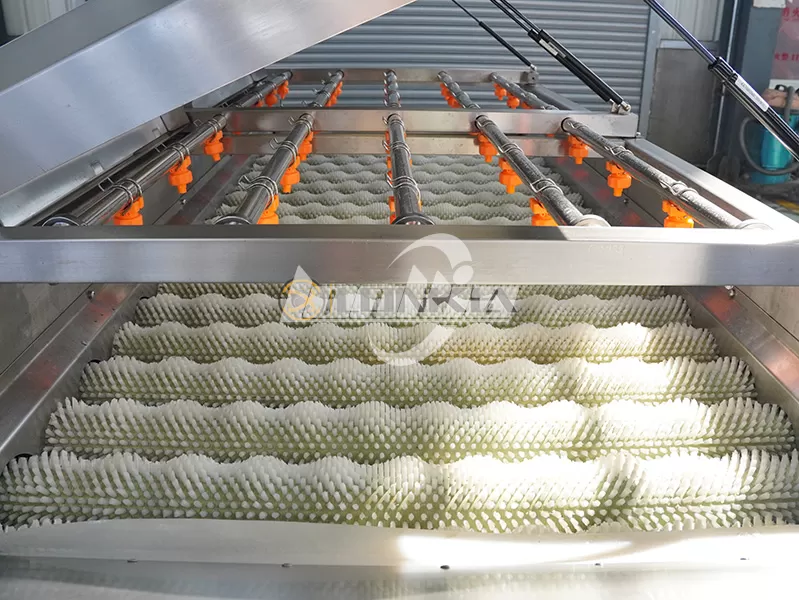
Once potatoes enter the potato cleaning machine washing zone, they continuously tumble and move as the brush rollers rotate. Multiple sets of parallel brush rollers ensure that the potatoes remain in constant contact with the brush surfaces. Combined with a water spray system that rinses away surface dirt and impurities, this ensures a more uniform cleaning process.
The brush rollers not only determine cleaning effectiveness but also directly impact the potato cleaning machine's long-term operational performance. If the brushes are prone to deformation or uneven wear, this can lead to reduced cleaning effectiveness and unstable operation. Therefore, when purchasing, one should not focus solely on the number of brushes but also consider the brush material, wear resistance, and ease of replacement.
Equipment Structure Determines Long-Term Operational Capability
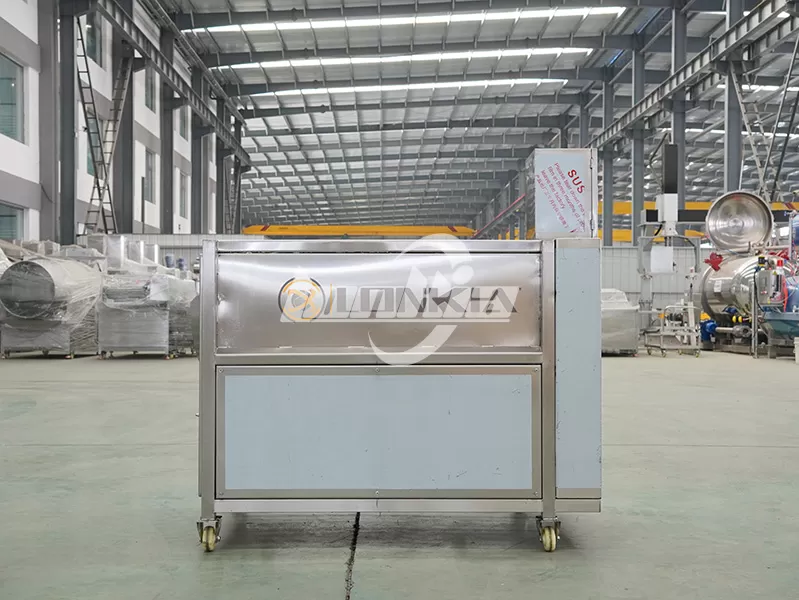
During the potato washing process, the potato cleaning machine is constantly exposed to soil, water, and impurities; therefore, its internal structure must be easy to clean, and the drive components must operate stably. A well-designed frame structure, stable brush roller drive, and efficient drainage design all help reduce the risk of malfunctions during long-term operation.
For food processing equipment, the commonly used 304 stainless steel body is not only easy to clean but also promotes long-term durability and facilitates daily maintenance.
A Maintenance-Friendly Design Reduces Downtime
Equipment used over the long term inevitably requires cleaning and maintenance, so ease of maintenance is also a key criterion for assessing reliability.
Operators should regularly inspect the wear on the brush rollers, drive components, bearings, and spray water lines, and promptly remove accumulated soil and impurities from inside the potato washing and peeling machine. If nozzles become clogged or brushes are severely worn, cleaning effectiveness may decline even if the motor is functioning normally.
Therefore, when selecting a potato washing machine, it is recommended to focus on the following questions: Are the brushes easy to remove? Is the interior easy to clean? Are wear parts easy to replace? And can the supplier provide appropriate technical support?
Adjust the Equipment to Suit the Raw Material
Different potatoes vary in size, the amount of soil adhering to their surfaces, and processing requirements. Insufficient washing intensity may result in residual impurities, while excessive intensity may increase damage to the surface of the produce.
Lonkia's potato washing equipment can be configured with appropriate brushes and washing methods based on actual processing needs, ensuring the equipment better accommodates different raw materials and subsequent processing steps. For customers requiring long-term continuous production, a stable and adjustable washing process is often more important than simply pursuing higher operating intensity.
How Can You Determine if a Machine Is Suitable for Long-Term Use?
When purchasing potato washing machine, you should focus on confirming the following:
- Whether the brush rollers are wear-resistant;
- Whether the brush speed and pressure are adjustable;
- Whether potatoes can pass through the equipment uniformly;
- Whether the spray system can consistently cover the washing area;
- Whether key components are easy to disassemble and clean;
- Whether the equipment can integrate seamlessly with upstream and downstream processing equipment.
Potato washing equipment truly suited for continuous production should strike a reasonable balance between cleaning effectiveness, structural durability, operational stability, and ease of maintenance.
Conclusion
For food processing plants operating on a continuous production basis, a reliable potato washing machine should strike a balance between cleaning effectiveness, mechanical structure, wear-resistant components, and ease of maintenance. When purchasing equipment, what truly matters is not how impressive the advertised specifications are, but whether the machine can maintain consistent cleaning performance during long-term operation and whether issues arising from wear or maintenance needs can be addressed quickly.
Choosing the right equipment design and supplier can make the potato washing process more stable and provide a more reliable raw material foundation for subsequent processing steps.