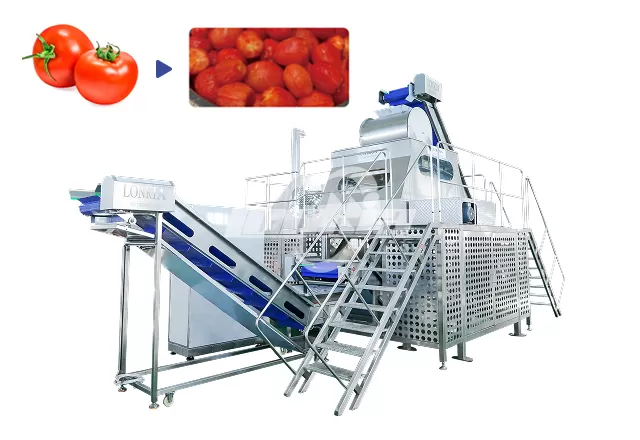
As demand for value-added onion processing grows, more food processing companies are adopting automated onion processing lines. Whether producing fresh-cut onion cubes or fried onion rings, proper equipment configuration directly impacts production efficiency, product quality, and ongoing operating costs.
However, buying an onion processing line isn't just about selecting a few machines. Customers must also consider factors such as product type, processing methods, equipment capacity, and the integration of the entire line. Based on actual production needs, this article will outline several key issues to confirm before purchasing, helping companies select the appropriate processing solution.

Define the Final Product Type and Processing Requirements
Different onion products require different processing methods, so the first step is to determine the onion processing line's final product.
1. Onion Dice Production Line
If the primary output is fresh-cut diced onions, the onion dice production line typically includes an onion peeler, a top-and-tail trimmer, a bubble washer, an onion dicing machine, and a packaging machine. After pre-processing, washing, and cutting, the raw material proceeds directly to the packaging stage.
When purchasing, it is essential to specify the target size for the diced onions—such as 5 mm, 8 mm, or 10 mm—to select the appropriate cutting equipment and blade set configuration.
2. Onion Ring Frying Line
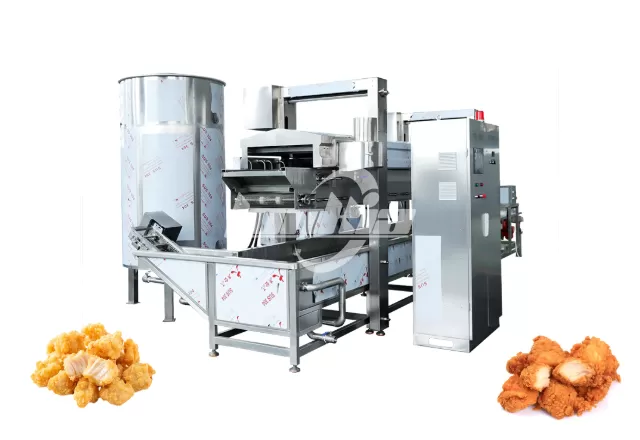
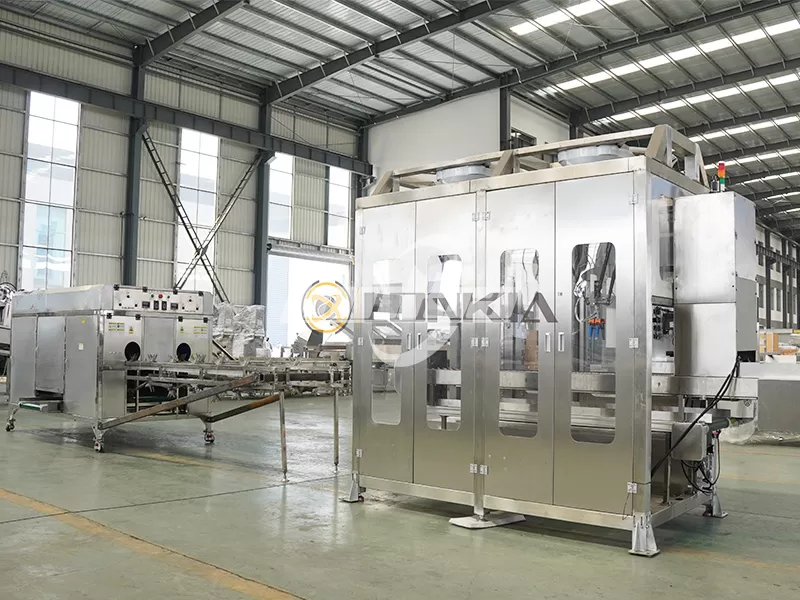
If the target product is fried onion rings, additional frying and post-processing equipment is required. The complete onion ring production line process typically includes peeling, trimming, slicing into rings, washing, draining, frying, oil-draining, seasoning, and packaging.
In this process, the ring-slicing machine must meet the product's thickness requirements, while the continuous fryer must adjust oil temperature and conveyor speed based on the product's characteristics.
Confirming the Onion Processing Line's Target Capacity
Production capacity is a key factor in selecting equipment specifications. Before purchasing, you should clearly define how many kilograms of onions need to be processed per hour, as well as the expected final product output.
1. Note the Difference Between Raw Material Throughput and Final Product Output
A certain amount of loss occurs during the peeling, trimming, and subsequent processing of onions. Therefore, raw material throughput cannot be directly equated with final product output.
2. Ensure that the Production Capacities of Each Piece of Equipment Are Aligned
For example, the processing capacities of the peeler, washer, and dicer must be properly coordinated. If the feed rate at the front end exceeds the cutting capacity at the back end, material buildup is likely to occur, affecting the continuous operation of the entire line.
Check Equipment Configuration and Key Technical Parameters
Understanding the functions and specifications of each onion processing machine helps avoid compatibility issues after purchase.
- Equipment Materials: Confirm that parts in contact with food are made of stainless steel that meets food processing requirements.
- Electrical Parameters: Verify in advance that voltage, frequency, power, and power supply methods comply with local factory conditions.
- Equipment Dimensions: Allocate sufficient space for installation, operation, and maintenance based on the factory floor area.
- Cleaning and Maintenance: Determine whether the equipment is easy to disassemble and clean, and whether wear-prone parts—such as blades and filter components—are easy to replace.
Consider Production Line Layout and Level of Automation
A well-planned equipment layout can reduce material handling and process wait times. Before purchasing, provide the supplier with the factory dimensions, material inlet and outlet locations, and on-site conditions, and request that they design an equipment layout diagram based on actual needs.
In addition, confirm whether the equipment is connected via a conveyor system, which processes require manual operation, and whether the system supports continuous automated production.
Understand the Onion Processing Machine Manufacturers' Customization and After-Sales Service
Given variations in onion varieties, processing specifications, and production requirements, standard equipment configurations may not be suitable for all facilities.
When selecting onion processing machine manufacturers, prioritize understanding whether they can provide turnkey solutions, equipment installation guidance, operator training, technical support, and a supply of wear-and-tear parts.
LONKIA can provide equipment configuration solutions for onion dicing and onion ring production lines based on the customer's product type, target production capacity, and facility conditions, helping customers plan their processing workflows effectively.
Conclusion
Before purchasing an onion processing line, you should first clarify the final product, target production capacity, equipment specifications, production layout, and after-sales service requirements. Only by fully considering these factors can you avoid issues such as improper equipment configuration and mismatched production capacity.
If you are planning to build an onion processing plant, please feel free to contact LONKIA. Provide details on the type of raw materials, target products, hourly processing capacity, and facility dimensions, and we will recommend a suitable equipment configuration plan based on your actual production needs.