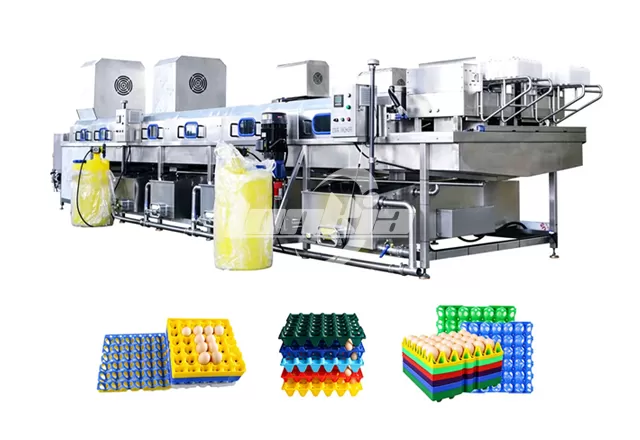
In the food processing, meat processing, and logistics industries, reusable crates are subjected to repeated use and cleaning. As production scales up and cleaning tasks increase, existing crate-washing equipment may gradually face issues such as insufficient capacity, reduced cleaning effectiveness, or unstable operation. Continuing to use outdated equipment may affect the supply of reusable crates and overall production schedules.
So, under what circumstances should companies consider upgrading their existing crate washer machines? Should they wait until the equipment breaks down before replacing it, or should they make adjustments in advance based on production needs? This article will help businesses determine whether an upgrade is necessary by examining factors such as equipment performance, cleaning effectiveness, and production requirements.
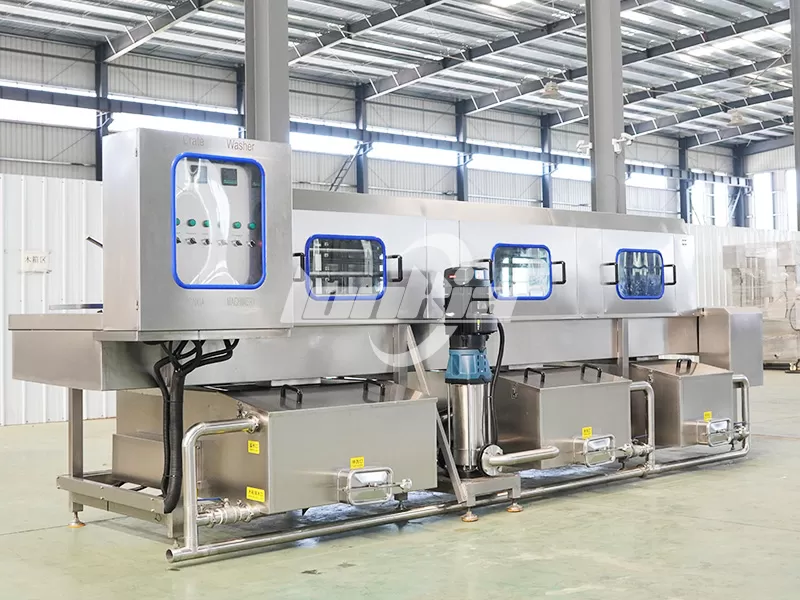
What Signs Indicate That a Crate Washer Machine Needs Upgrading?
1. Existing Equipment Cannot Meet Current Cleaning Capacity
As factory orders increase, the number of reusable crates requiring daily cleaning also rises. If the conveyor speed and cleaning capacity of the existing equipment cannot meet actual demand, a backlog of crates awaiting cleaning is likely to occur, affecting subsequent production.
In this situation, companies need to reassess the crate washer machine's hourly cleaning capacity, continuous operating time, and production shifts to determine whether to replace it with equipment that has a higher processing capacity.
2. Cleaning Results Are No Longer Consistent
If, after the crate washer machine has been in operation for some time, issues such as residual dirt in the corners of the crates, uneven spray coverage, or incomplete cleaning in certain areas frequently occur, it is necessary to inspect the nozzles, water pumps, water tanks, and filtration systems.
If the expected results still cannot be achieved after repairs and parameter adjustments, it may be necessary to consider upgrading the cleaning mechanism by adopting multi-angle spraying and segmented cleaning designs to improve overall cleaning consistency.
3. Frequent Equipment Failures Disrupting Normal Production
Issues such as worn conveyor chains, abnormal pump operation, and control system malfunctions can all cause equipment downtime. If the frequency of repairs continues to increase, it will not only incur higher maintenance costs but may also disrupt the normal supply of return crates.
Companies should comprehensively compare repair costs, downtime losses, and the equipment's residual value before deciding whether to continue repairs or replace the plastic crate washing machine.
What Configurations Should Be Prioritized When Upgrading a Crate Washer?
1. Multi-Stage Cleaning Structure
New equipment should be reasonably configured with pre-wash, main wash, and rinse zones based on actual types of contaminants and cleaning requirements. Clearly defined roles for each stage help gradually remove food residues and detergent from the surfaces of the reusable baskets.
2. Conveyor System and Spray System
A stable chain conveyor structure ensures that return crates pass continuously through the washing zones. Combined with multi-angle nozzles, this improves cleaning coverage on both the interior and exterior surfaces of the crates. Additionally, the conveyor speed should be adjustable to meet specific cleaning requirements.
3. Automatic Control and Auxiliary Drying Configurations
The use of a PLC control system and touchscreen allows operators to easily adjust the conveyor speed and cleaning duration. Furthermore, depending on subsequent production requirements, operators can select either an air knife for water removal or an auxiliary drying module to reduce residual moisture on the surfaces of the reusable crates.
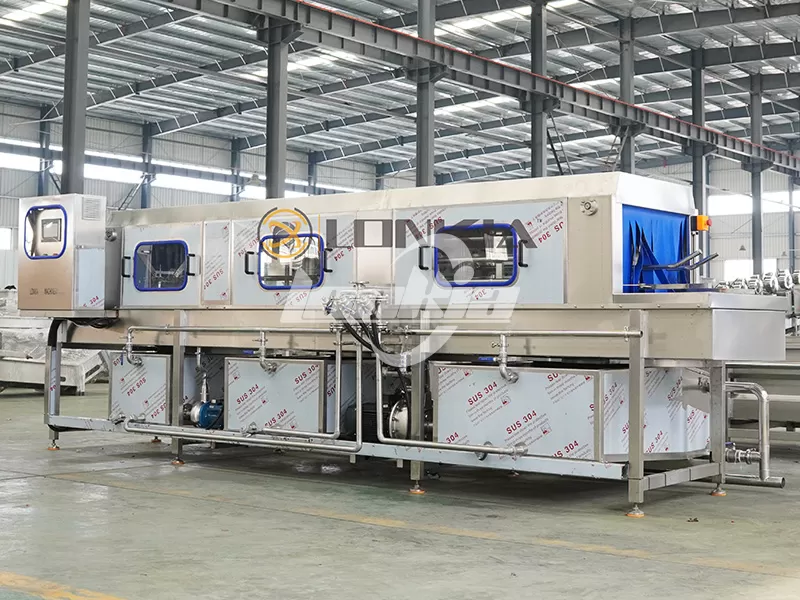
How to Determine Whether Upgrading to New Equipment Is Worth It?
Companies should not decide whether to replace equipment based solely on its age; instead, they should comprehensively consider the following factors:
- Maintenance Costs: Track the recent frequency of equipment repairs and the costs of replacing parts.
- Production Losses: Assess whether equipment downtime has caused a shortage in the supply of reusable crates.
- Cleaning Quality: Verify whether the equipment can consistently meet current cleaning requirements.
- Production Capacity Needs: Compare existing cleaning capacity with future production plans.
- Equipment Configuration: Determine whether the existing conveyor, spray, and control systems require upgrades.
If the old plastic crate washing machine still fails to meet production requirements even after repairs, and long-term maintenance costs are high, replacing it with new equipment may be a more reasonable choice.
LONKIA Crate Washer Upgrade Solution
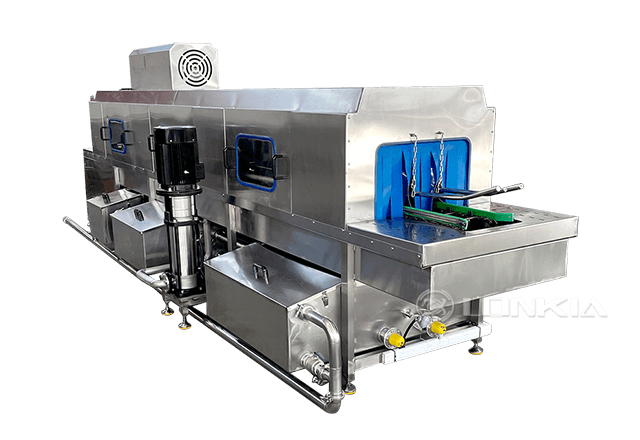
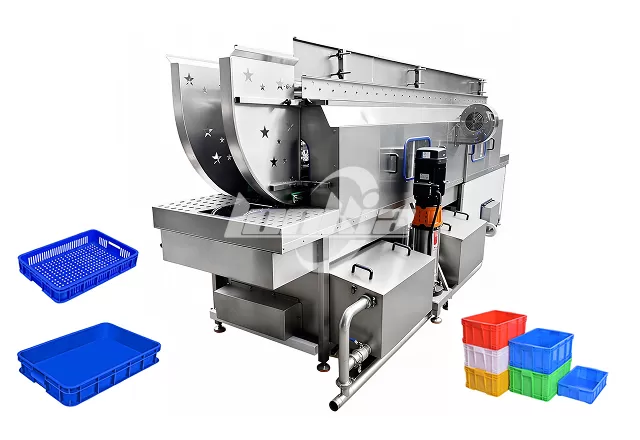
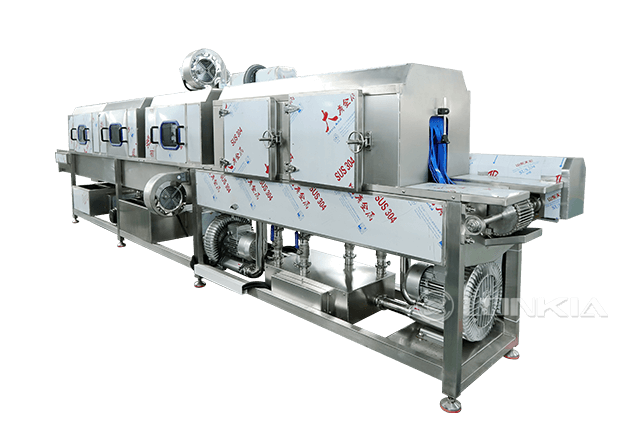
LONKIA provides crate washer machine solutions. The equipment is manufactured from food-grade SUS304 stainless steel and features a chain conveyor system, multi-angle spray nozzles, and cleaning zones for pre-wash, main wash, and rinse.
Based on different returnable crate sizes, cleaning requirements, and factory layout, LONKIA can provide corresponding equipment configuration recommendations to help businesses improve their existing cleaning processes.
If your current crate washer machine can no longer meet production demands, we recommend promptly evaluating the equipment's performance. By providing details on crate sizes, daily washing volume, the condition of existing equipment, and cleaning requirements, LONKIA can assist in developing a more suitable equipment upgrade plan.