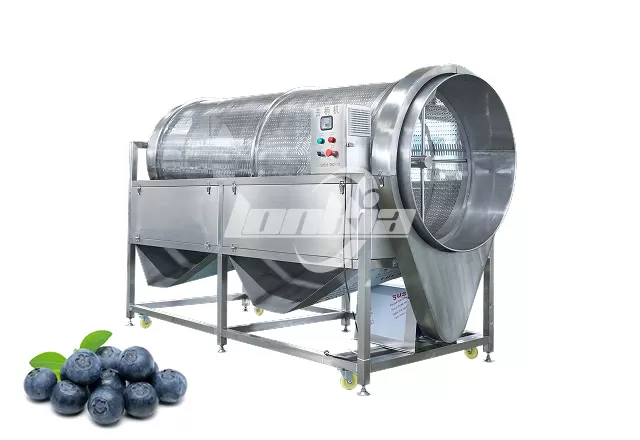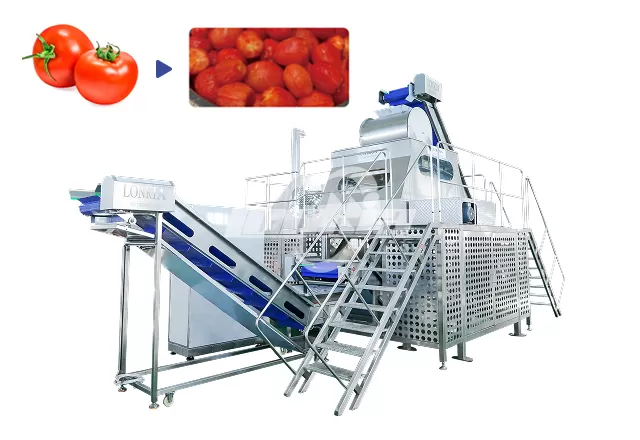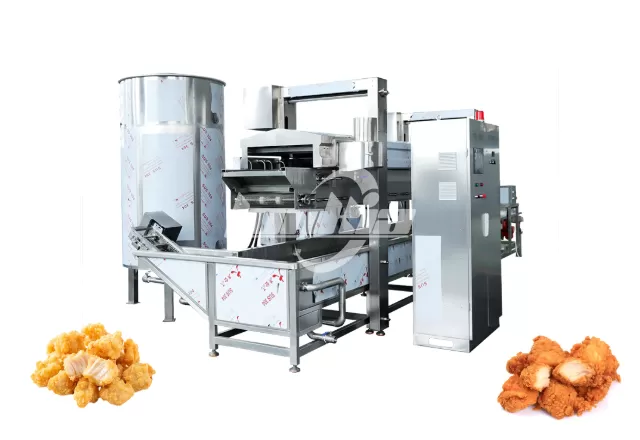
In the blueberry processing industry, the effectiveness of washing is just as important as maintaining fruit integrity. For fresh fruit packing plants, frozen blueberry processing plants, and juice manufacturers, blueberry washing machines must not only remove impurities such as dirt, sand, and leaves from the fruit's surface but also minimize impact and compression to preserve the blueberries' appearance and provide a consistent supply of raw material for subsequent sorting, packaging, and processing.
So, how does one select blueberry cleaning equipment suitable for blueberry processing? The key lies in whether the washing method, conveyor design, operating parameters, and equipment capacity meet actual production requirements.
Selecting a Gentle Washing System Suitable for Blueberries
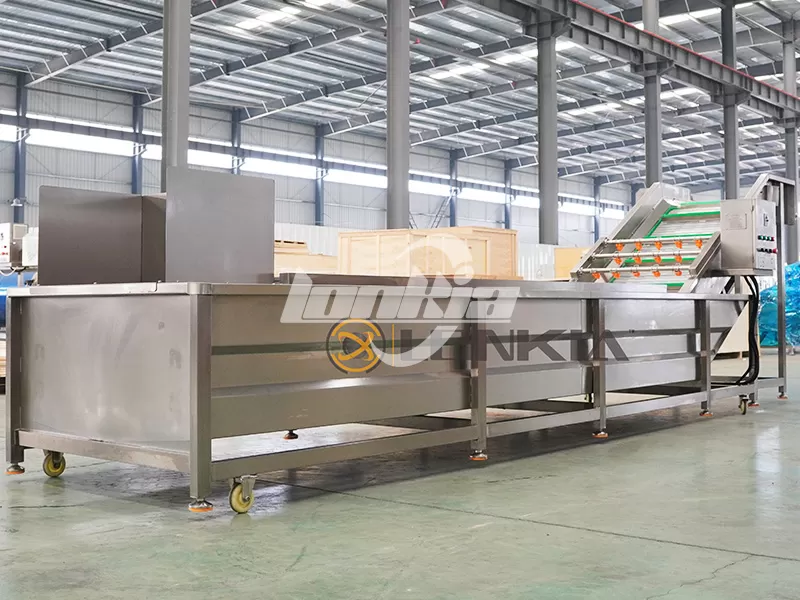
Blueberry skins are relatively delicate, so the washing process must balance effective impurity removal with fruit integrity. A blueberry washing machine that combines bubble washing with spray rinsing can address surface contaminants through different washing stages.
The bubble system uses water flow turbulence to help loosen mud, sand, and some impurities, while the spray system further rinses the fruit's surface. The combination of these two methods helps improve cleaning uniformity and reduces reliance on vigorous mechanical friction.
When purchasing, it is recommended to focus on whether the bubble intensity is suitable for blueberries, whether the spray positions are optimal, and whether the blueberry washing machine can adjust operating parameters based on actual raw material conditions.
Pay Attention to the Conveyor Design to Reduce Blueberry Impact
1. Mesh Belt Conveying and Speed Adjustment
During the washing process, blueberries may collide due to excessive feed rates, unstable conveying, or excessive discharge drop. Therefore, the conveying structure of a blueberry washer is a critical factor affecting fruit quality.
When the blueberry washing machine uses mesh belt conveying, check whether the belt runs smoothly, the feed is uniform, and the conveying speed is adjustable. Properly controlling the feed rate to prevent excessive accumulation of blueberries in the washing tank helps improve washing consistency.
2. Evaluating Fruit Integrity Through Test Runs
When purchasing a blueberry cleaner, focus should not be limited to washing speed alone. It is recommended to conduct tests using actual blueberries to observe damage levels before and after washing, the condition of the fruit surface, and discharge results, and to adjust parameters based on the blueberries' ripeness and intended processing use.
Inspecting the Filtration System and Washing Effectiveness
Blueberry raw materials may contain impurities such as leaves, small twigs, and silt. Washing equipment should feature an appropriate filtration system to facilitate the collection and removal of debris, thereby reducing the risk of contaminants reattaching during the washing process.
At the same time, operators should regularly inspect the filtration units, nozzles, and water pumps to prevent the accumulation of impurities or nozzle blockages that could compromise washing performance.
It is important to note that standard fruit washing equipment cannot guarantee the complete removal of all pesticide residues. Companies should establish appropriate washing and quality inspection procedures based on the characteristics of the raw materials and food safety requirements.
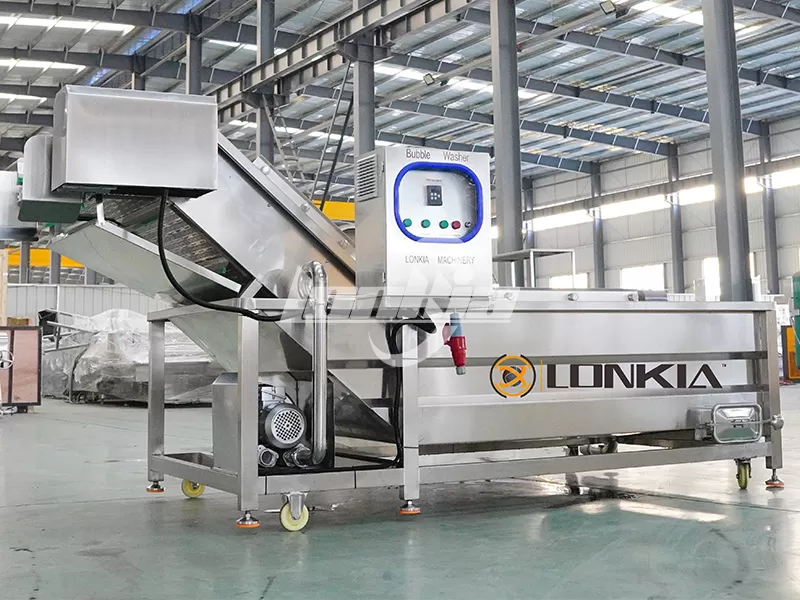
Selecting a Blueberry Cleaner Based on Actual Production Capacity
Equipment capacity directly impacts production efficiency and the operational rhythm of the entire processing line. The LONKIA blueberry washing machine specifies a processing capacity of 300–1,500 kg/h. The machine is constructed from food-grade 304 stainless steel and is equipped with bubble washing, a spray system, adjustable conveyor speed, as well as PLC and variable-frequency drive controls.
When selecting a model, comprehensively consider the hourly raw material supply, daily processing volume, the level of impurities in the blueberries, and the processing capacity of downstream sorting and packaging equipment. Only when upstream and downstream processes are properly aligned can material backlogs and equipment downtime be minimized.
Select Equipment That Is Easy to Maintain and Integrate into the Production Line
For enterprises requiring continuous processing, blueberry cleaners should also be easy to clean daily, allow for inspection of filtration components, and facilitate maintenance of the conveyor system. If the equipment is planned to be used in conjunction with destemming machines, sorters, or packaging equipment, it is necessary to confirm the equipment dimensions, feed and discharge heights, and conveyor direction in advance.
LONKIA can provide corresponding equipment configuration recommendations based on the customer's raw material characteristics, target production capacity, and processing workflow, helping customers plan a reasonable blueberry washing solution.
Conclusion
Selecting the right blueberry washing machine requires a comprehensive evaluation of cleaning effectiveness, fruit integrity, conveyor stability, and equipment capacity—rather than simply comparing price or processing speed. By conducting actual material tests and verifying key technical parameters, companies can more effectively select equipment that meets their specific production needs.
For information on equipment specifications, configurations, and customization options, please feel free to contact us at any time to receive further details and recommendations on equipment selection.