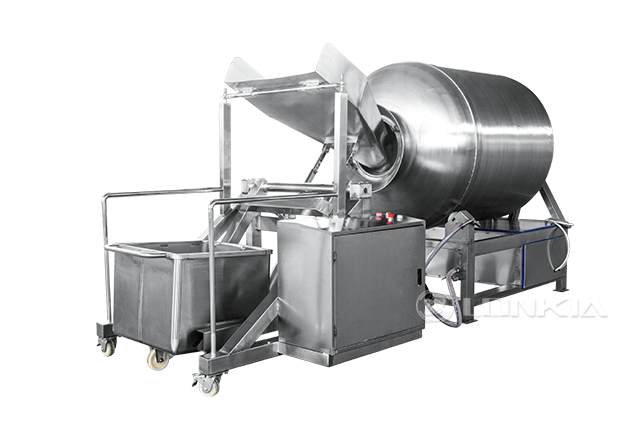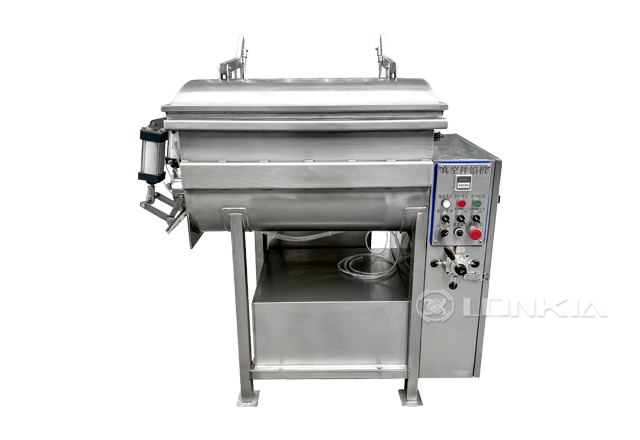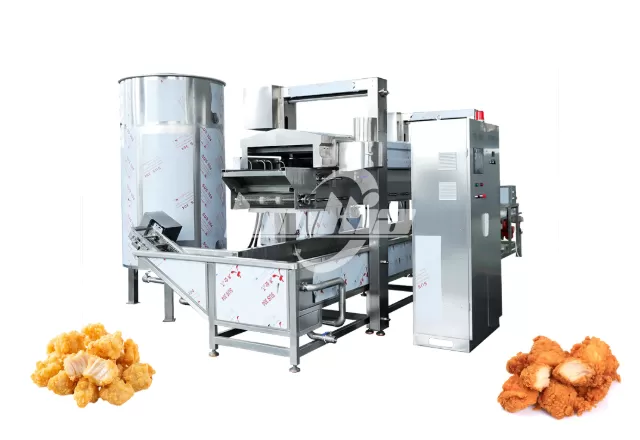
When purchasing a potato chips production line, many customers focus primarily on price but tend to overlook a more critical issue: exactly how much production capacity is needed? Insufficient capacity may fail to meet order demands, while mismatched capacity can lead to underutilization of equipment. Therefore, when selecting a production line, a comprehensive assessment should be made based on actual orders, raw material supply, production time, and integration with downstream equipment.
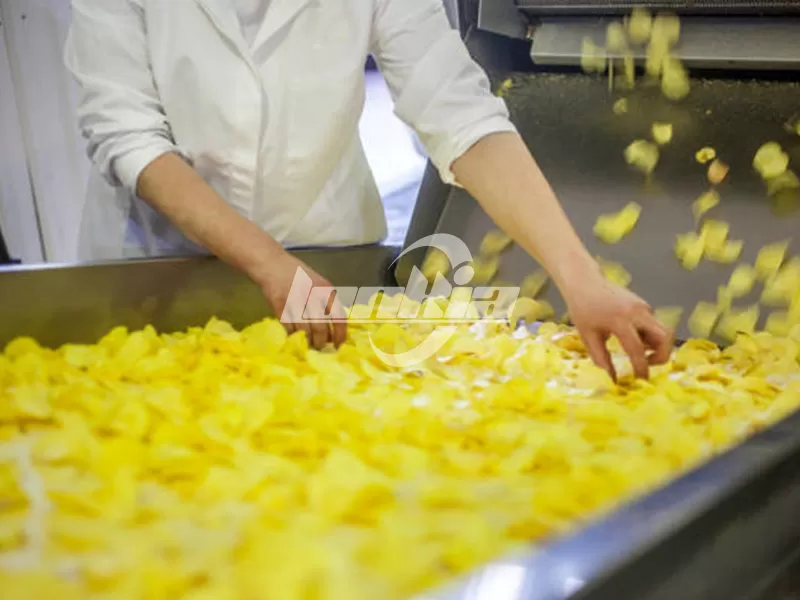
Determine Your Actual Production Needs
Calculate Required Production Capacity Based on Order Volume
Production capacity should not be selected based solely on the theoretical maximum. First, determine how many potatoes need to be processed daily, then calculate the required capacity based on the planned daily operating hours.
For example, if approximately 4 metric tons of potatoes need to be processed daily and the line operates for 8 hours a day, the theoretical average requirement is about 500 kg/h. When actually selecting equipment, you must also account for time required for startup, cleaning, changeovers, and brief shutdowns; therefore, equipment specifications cannot be determined based solely on a simple average.
Allow for a Reasonable Production Margin
If order volumes are likely to continue increasing, you can set aside some production capacity beyond current needs. LONKIA's potato chips processing lines offer a capacity range of approximately 100–800 kg/h and can be configured to match specific customer processing requirements.
Don't Focus Solely on the Line's Nominal Capacity
Ensure Compatibility Across All Stages
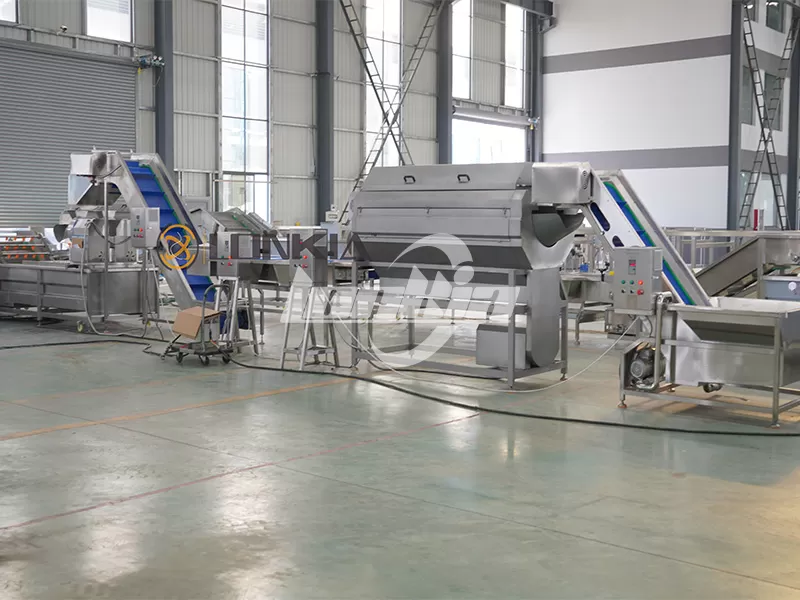
A complete potato chips production line involves multiple stages, including potato handling, slicing, washing, frying, and post-processing. If the processing speed of upstream equipment is high but the frying equipment cannot keep up, a production bottleneck may occur.
Therefore, when selecting a potato chips production line, it is essential to verify that the processing capacities of each piece of equipment are compatible with one another, rather than focusing solely on the maximum output of a single piece of equipment.
Pay Special Attention to the Frying System
Frying is a critical stage that impacts continuous production. Stable conveying, heating, and oil management help maintain product color, texture, and processing rhythm. This production line employs automatic filtration technology to manage frying oil and maintains stable operating conditions through mechanical configurations and control systems.
Adjust the Production Line Based on Product Type
Whether the customer produces regular potato chips, potato chips of various sizes, or also plans to produce French fries will influence equipment configuration. Differences in raw material specifications, slicing requirements, and subsequent processing methods will also result in varying demands on the front-end processing and frying systems.
If there are future plans to add frozen French fries to the product line, the freezing process must be considered in advance. LONKIA's solutions can be configured with a freezing system based on specific needs; therefore, clarifying product plans before purchasing can reduce the costs and time associated with retrofitting equipment later on.
Preparing These 4 Pieces of Data Before Purchasing
Before requesting quotes from equipment suppliers, we recommend that customers prepare the following:
- The planned hourly or daily potato processing volume;
- The specific potato chip or French fry products to be produced;
- The estimated number of operating hours per day;
- Details regarding existing facility space, electrical power, and heating conditions.
The more specific this information is, the easier it will be for suppliers to match you with a suitable potato chip production line, rather than simply offering a one-size-fits-all solution.
Summary
A suitable potato chips production line should ensure coordination between raw material supply, processing equipment, and final output. For buyers, the key consideration is whether the equipment can reliably meet their production plans.
LONKIA can provide tailored potato chips processing solutions based on a customer's target production capacity, product types, and factory conditions, assisting with planning from equipment configuration and production processes to the integration of the entire production line.